
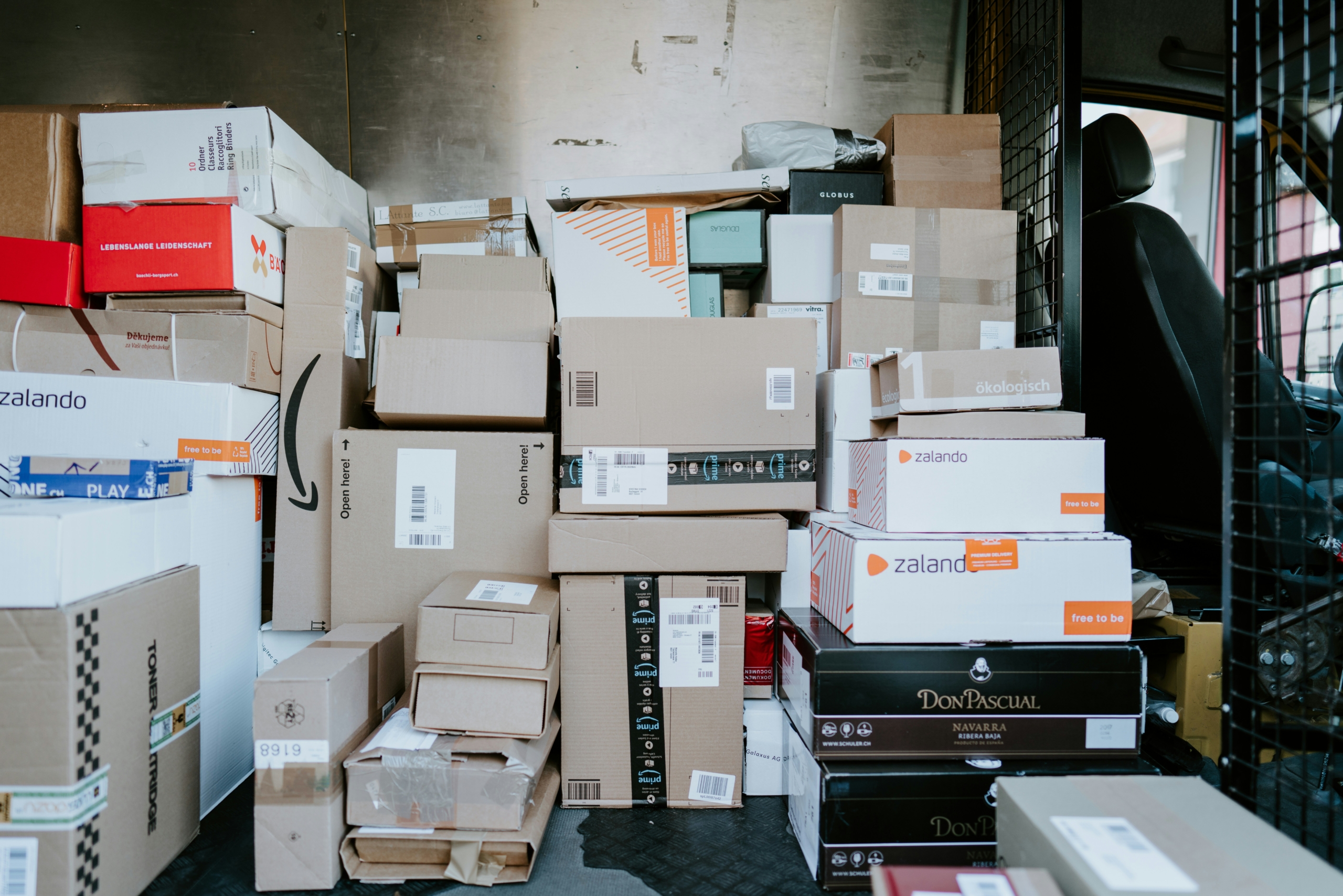
Speed has become the marketing hook for delivery companies, but has it gone too far?
In recent years, the trend has been to aim for faster, quicker, instantaneous delivery. As a nation, we’ve become impatient as the need for convenience has become expectation. Next-day delivery, already seemingly quick, became same-day delivery, and in some cities, same-hour delivery slots are even an option. Speed has been the marketing hook and often the defining competitive advantage.
Has speedy delivery gone too far?
Consider the lightning-fast capabilities of the Domino’s process, from initial phone call to doorstep delivery; was this the birth of our speed expectations? How did they take our order, prepare and cook it, package it, load it up for a driver and get to us in 30 minutes or less? It’s still mind-blowing today, but back then in 1979?! Round of applause, please.
The demise of the Domino’s guarantee came, however, when a St Louis woman successfully won a $78 million lawsuit when a driver, under intense pressure to meet delivery times, ran a red light and hit her car, leaving her with serious head and spinal injuries. By 1989, according to TheTakeout.com, there were reportedly at least 20 fatalities nationwide involving Domino’s drivers, sparking public outcry over the company’s safety practices.
When did it become urgent for a photo frame to arrive the very next day? Perhaps the issue lies more with the overwhelmed and overfilled schedules of those purchasing online. The mental space to organise our chaotic lives is an ever-present challenge.
2026; the year of the back track
Fast-forward to 2026, and the narrative for “give it to me stat!” is changing.
We’ve all seen the slogan “We don’t do fast food, we do good food, as fast as we can”, placed strategically within take-away establishments. This notion lowers the expectations of customer time frames, but ups the quality of the meal. A power-play from small businesses to produce the product they’re proud of without scrutiny. A happy medium, don’t you think?
Where delivery companies are concerned, we’re still obsessed with efficiency, but worker welfare, safety, and sustainability are increasingly topping the list of priorities. The industry is learning a hard lesson. Pushing for ever-faster delivery can come at a cost for those who make it happen, creating unnecessary operational, reputational, and safety risks.

Driver welfare as the bare minimum
Chances are you’ve seen a delivery driver or two jumping (literally) in and out of their vehicle, parked alongside a road with their hazards on, jogging to drop a package at the door. Post officers are pretty nippy too!
It’s one thing to be given a list of tasks to achieve in good time; we’ve all been privy to a to-do list on a tight schedule – Christmas Eve rings a bell! But the ultra-fast delivery model has exposed several issues of late:
- Safety risks on the road
- Driver burnout
- Distracted attention
- Backlash from the general public concerned with all of the above
Many delivery companies are now openly acknowledging that speed without precautions is not scalable, nor is it worth the compromise.
Here’s what matters to delivery companies in 2026
In 2026, we’re yearning for realism over idealism. Here’s the how and the why of it.
1. Reliability
Data has shown that even though customers say they want the fastest delivery possible, they actually value predictability more. A reliable delivery window, where the item arrives safely, is preferable to an erratic, speedy promise that falters under the pressure.
2. The Cost Pay-Off
High courier turnover is expensive. Recruiting those capable of such demands, incentives, technology, and lost productivity add up quickly. Companies have realised that retaining experienced drivers costs less in the long run than having to constantly replace burned-out ones. Not forgetting those guarantees you have to compensate for when ‘undelivered’?
3. Competition May Be Fierce, But Trust Is Fragile
Brands want their delivery partners to alleviate stress, not add to it. Unsafe working conditions will only end up damaging their brand reputation and creating more issues in-house.
4. Regulators Are Listening, and Amending
Limits on delivery pressure and minimum pay guarantees are all coming into play for those that aren’t meeting the required standard. Being proactive with welfare policies now is helping businesses reduce their legal and compliance risk in the future.
Balancing the Equation
Rather than abandoning speed altogether, we’re seeing companies redefine how they achieve it, safely.
Route Optimisation
AI is providing tools to optimise delivery routes, avoiding traffic and geographically batching deliveries for drivers to efficiently deliver. No need to rush.

Promises That Deliver
We’re seeing companies remove their extreme speed claims and replace them with reliability. Guaranteed time slots for the win.
Safety-First
KPIs are evolving with ‘on-time delivery’ being tracked alongside a ‘rest + working hours’ equation, accident rates, and traffic violations. Unsafe behaviour is now actively damaging performance reviews, and rightfully so.
Better Pay Structures
Where ‘per-drop incentives’ were once the norm, encouraging rushing and increasing risk, companies are now experimenting with:
- Hourly pay minimums plus bonuses, to discourage overworking at the expense of safety
- Pay adjustments for distance, weather, and/or complexity
These elements reduce the financial pressure for drivers to cut corners.
Technology; a drivers best friend or enemy?
As is often the case, technology and AI sit at the centre of this debate.
Used excessively and irresponsibly, certain tools can increase the pressure faced by delivery drivers. The constant notifications and aggressive reminders, paired with countdown timers, mean the driving environment can be anything but relaxing. Used well, however, it can aid workers to provide a great service, sensibly.
AI allows for real-time, accurate predictions on demand and reduces last-minute overwhelm. Efficient batching of deliveries lowers the total miles driven and therefore the physical effects on drivers.
In 2026, companies are talking openly about ethical delivery expectations, ensuring technological optimisation doesn’t come at the expense of human wellbeing.
What is the future of delivery?
In 2026, the most competitive delivery companies aren’t those promising unrealistic time frames. They’re the ones building predictable, safe and fair networks for their customers and drivers.
Speed still holds currency, but it’s balanced against the limits of drivers and, therefore, longevity of the brand.
Final Thought
Aligning the speed of deliveries with driver welfare isn’t a suppression on innovation, it’s the next evolutionary phase in order to prolong it.
Delivery companies that embrace this balance will inevitably move faster and steadier in the long run. Happier, healthier drivers, stronger brands, and operations built to last, not burn out.
If you need a delivery partner you can trust with not only your products, but your brand, get in touch with us today.